Web
Shelter Bali
This restaurant website SEO Bali project set out to seo for shelter, a wood-fired middle eastern and mediterranean restaurant in pererenan — a collaboration where zefanya elrafa asyer built the webflow site and i handled the search strategy on top of it.
Web · SEO · Bali
Restaurant Website SEO Bali: Working on Shelter in Pererenan
Shelter is a wood-fired Middle Eastern and Mediterranean restaurant sitting in the heart of Pererenan, one of the most competitive dining strips in Bali right now. Getting restaurant website SEO Bali right for a spot like this means competing not just against other restaurants, but against Instagram, TikTok, and every food blogger who's already covered Canggu and Pererenan a dozen times over. This project was a collaboration with Zefanya Elrafa Asyer, who handled the website development, while I focused on the SEO side of the build.
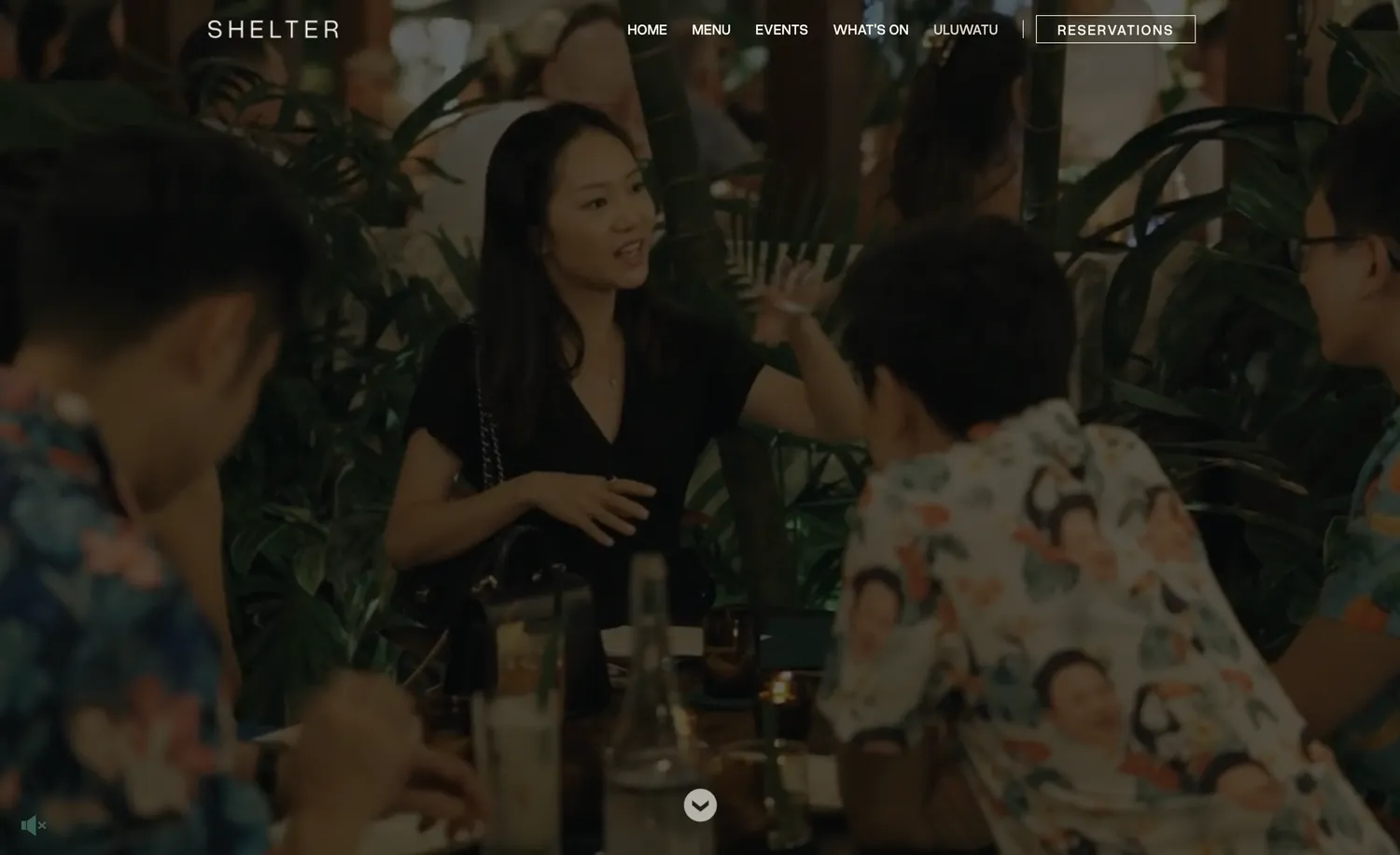
That split matters to how the project came together. Zefanya built the site on Webflow with the visual polish a restaurant like Shelter needs — ambient video backgrounds, a clean menu system split across lunch, dinner, vegan, drinks, and dessert, and a team page that puts faces to the kitchen. My role was making sure that visual investment actually surfaced in search, because a beautifully built restaurant site with no SEO structure underneath it is invisible to anyone who hasn't already heard of the place.
What Shelter Focuses On
Shelter's identity is specific: wood-fired cooking, Middle Eastern and Mediterranean flavors, and an events space that hosts sessions and gatherings beyond standard dinner service. The menu leans on dishes like black angus ribeye and stone-baked za'atar, paired with a curated wine and drinks list. That specificity is a gift for SEO, because “Middle Eastern restaurant Pererenan” or “Mediterranean restaurant Bali” are far more winnable search terms than fighting for generic phrases like “best restaurant Bali,” which every listicle and directory site already dominates.
The restaurant also runs a genuine events program — hosted sessions, collaborations, and a dedicated “what's on” page — which gave the SEO strategy a second content pillar beyond just the menu. Restaurants that only optimize their homepage and menu miss the search volume from people looking for something to do on a specific night, not just somewhere to eat.
Local Search and the Pererenan Dining Scene
Pererenan sits in an unusual position in Bali's dining geography: close enough to Canggu to inherit some of its search volume, but distinct enough that people specifically searching for the area expect local, specific results rather than generic Canggu content. Structuring the site's location signals correctly — consistent address formatting, embedded map links, and location-specific language in the meta description and opening content — mattered more here than it would for a restaurant in a more established, less ambiguous dining district.
Reservation flow was another piece of the SEO puzzle, even though it's technically a conversion issue rather than a ranking one. The site integrates directly with SevenRooms for bookings, and making sure that reservation call-to-action was reachable and fast-loading across devices affects both user experience signals and the actual business outcome the SEO work was meant to support in the first place.
SEO Strategy on Top of a Webflow Build
Working SEO into a site someone else developed requires a different workflow than building everything myself. Meta titles, descriptions, and heading structure needed to be specified clearly and implemented within Webflow's CMS fields rather than through a WordPress plugin, and structured data for the restaurant, its menu, and its location needed to be added through Webflow's custom code embed rather than an SEO plugin handling it automatically.
The focus keyword and its variants were mapped across the homepage and key landing content, present in the meta title, the meta description, and within the first section of visible copy, following the same standard I apply everywhere: density kept natural rather than stuffed, and the phrase or a close variant appearing across multiple H2-level headings so the page's structure reinforces what it's actually about, not just the sentence-level copy.
Collaborating With a Developer Instead of Owning the Build
This project is one of a few in my portfolio where I worked SEO into someone else's development work rather than owning the full build myself. That collaboration model matters for how I think about freelance work generally: not every project needs one person doing everything, and knowing when to specialize into just the SEO layer, trusting a developer like Zefanya to handle the visual and technical build, produces a better result than trying to stretch one person across every discipline on a project with this much visual ambition.
Menu pages in particular benefited from that division of labor. Zefanya's structure kept each menu category on its own dedicated page rather than one long scroll, which gave each page — lunch, dinner, vegan, drinks, dessert — its own opportunity to rank for a distinct search intent instead of competing against itself for the same keyword across one massive page.
Content Strategy Around the Events Program
Shelter's events program — hosted sessions, collaborations, and recurring nights — needed its own content treatment separate from the core menu and reservation pages. Event-related searches spike and decay quickly around specific dates, which is a very different SEO pattern from evergreen menu content that should hold steady rankings year-round. The “what's on” page was structured to update easily and carry enough standing content, describing the general format and vibe of Shelter's events, that it retains some search value even between specific event announcements rather than going blank whenever the calendar is between bookings.
Image strategy also played a role here. A restaurant site lives and dies on food and atmosphere photography, and every image across the menu and events pages was named descriptively rather than left as a generic export, with alt text pairing the dish or scene description with relevant location and cuisine terms. That consistency across dozens of images adds up to a meaningful signal for image search, which is a genuinely underused acquisition channel for restaurants that most competitors ignore entirely.
Why the Zefanya Collaboration Worked
Splitting a project into development and SEO isn't automatic just because two people are involved, it requires the SEO specifications to actually fit within the constraints of the platform someone else chose. Webflow's CMS structure is different from WordPress in how it handles custom fields, so before any keyword mapping happened, I needed to understand exactly what Zefanya's build could support: which fields were editable, how the CMS collections for menu items were structured, and where structured data could realistically be inserted without breaking the visual design he'd already built.
That upfront alignment meant the SEO recommendations were implementable from day one rather than requiring a second round of development just to accommodate search requirements added as an afterthought. It's a workflow I'd recommend for any hospitality project split between a designer-developer and an SEO specialist: align on platform constraints before writing a single meta description, not after.
See More
See more restaurant and hospitality SEO work in the portfolio, or read the full offer on the WordPress & SEO services page. Already have a designer or developer in mind and just need the search side handled? Send a brief.